This website was built to collate and document information regarding the Peninsula, its development and most importantly its wildlife heritage.
The Greenwich Peninsula is an important geographical and historical part of the Thames valley. It has been know by many names including the Greenwich Level, Bugsby’s Marsh, Greenwich Marsh, Blackwall Peninsula, East Greenwich and North Greenwich. It has a long heritage with many important connections to history, industry and wildlife.
On this this website you will find a wide range of information including wildlife records, historical information, development plans of the Peninsula and many links to other helpful websites.
We hope you will find this site useful whether you be a student, an enthusiast or just curious about the Peninsula and its wildlife and development.


This website is dedicated to collating information regarding the Greenwich Peninsula project, including the development of the land, which was specifically designed to preserve natural habitat where possible. As the need for development in London increases, the Peninsula strives to maintain a biodiverse green space amidst the development of the area.
With this in mind the Greenwich Peninsula Ecology Park was created in 2002. It is a 4.5-acre plot, located within the Millennium Village, alongside the River Thames. It is a primarily a wetland site, but it also offers a plethora of diverse habitats, including rarer pioneer habitats.
This land is owned by the Land Trust, a charitable organisation, dedicated to maintaining open spaces with and for communities. The site is now managed by The Conservation Volunteers, but up until 2012 it was managed by the Trust for Urban Ecology, in partnership with BTCV.
The Conservation Volunteers are a charitable organisation dedicated to maintaining and reclaiming green spaces in the UK allowing local communities get involved and benefit from the environment. Apart from maintaining a green space, the Greenwich Peninsula Ecology Park also provides educational services and acts as a place to run community projects.
This website is supported and funded by the Friends of Greenwich Peninsula Ecology Park, a registered charity, that was formed and consists of local people specifically to support the Ecology Park. The site was originally designed and created by Michael Hargrave for the Friends of Greenwich Peninsula Ecology Park, and has since been updated by Karina Theseira, Emily Millhouse and Rachel Dowse.
All the organisations mentioned can be found on the links page here.

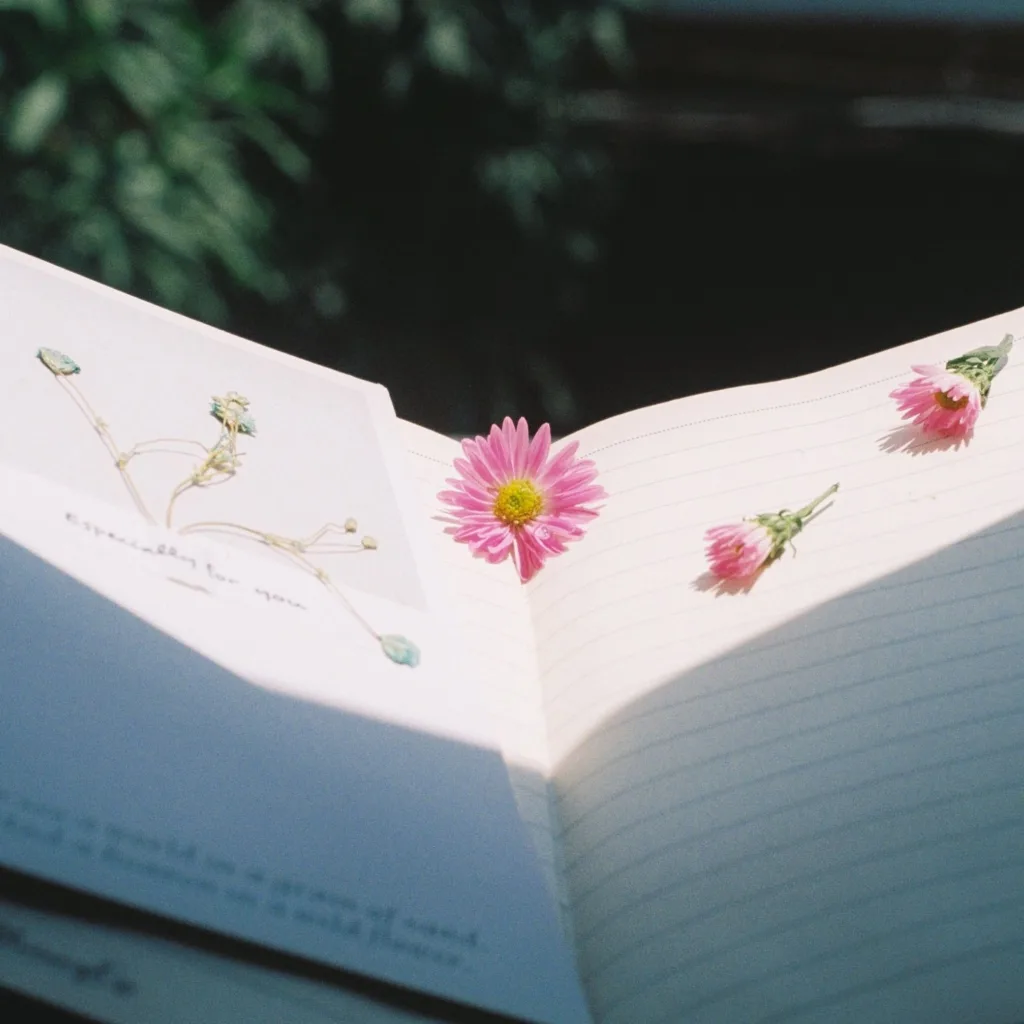
In a busy and often demanding world, it can be difficult to make sense of everything happening in our minds. Thoughts, worries, and emotions can feel overwhelming because we cannot see or touch them. Left unexamined, they may seem larger, more powerful, and more persistent than they really are.
Journaling offers a way to give shape to those thoughts. By putting words on paper, we create space between ourselves and what we are experiencing. Writing can help us organise our thoughts, process difficult emotions, gain perspective, identify what is within our control, and take meaningful steps towards the changes we would like to make.
Whether you turn to journaling during challenging times or moments of calm, the practice can support wellbeing by reducing stress, increasing self-awareness, encouraging personal growth, and unlocking creativity. It can also bring clarity, insight, and a deeper understanding of yourself.
We’ve put together ten nature-inspired journaling prompts to support reflection and self-discovery. Take your time with each one and allow your thoughts to flow freely. We encourage handwritten journaling where possible, as many people find it creates a deeper sense of connection and reflection.
Remember: spelling, grammar, and structure do not matter here. Journaling is a personal practice. No one else needs to read it, and you can even choose to destroy your writing afterwards. What matters is giving yourself permission to express whatever comes up.
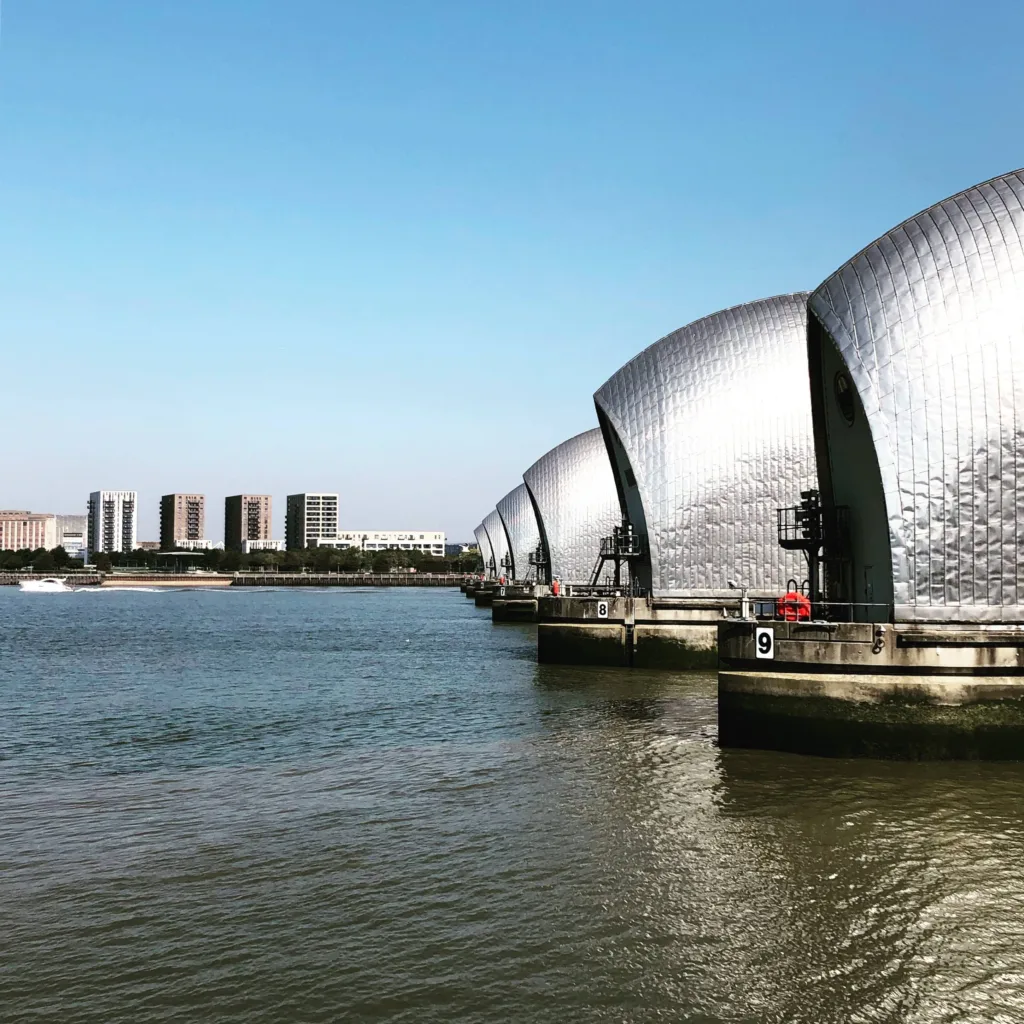
As you explore these prompts, remember that self-reflection is not about finding the “right” answers. It is about listening to yourself with curiosity, compassion, and honesty. Like nature itself, growth often happens gradually, quietly, and in ways we do not immediately notice.
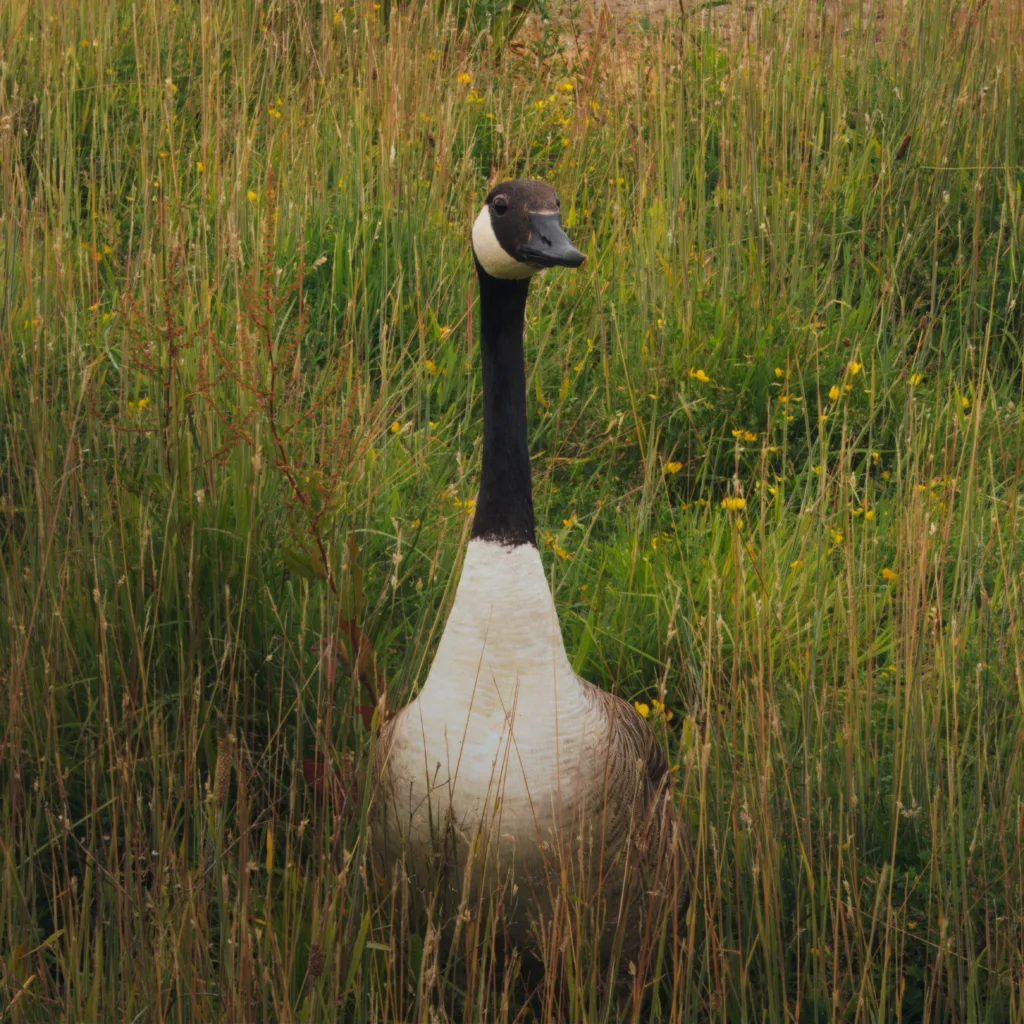
Practising gratitude is a simple yet powerful way to support our mental and emotional wellbeing. It helps shift our attention towards the positive aspects of our lives, reminding us of what is already present and valuable.
As humans, we are naturally wired to notice potential threats and challenges. This negativity bias helped our ancestors survive, but when our attention becomes fixed on problems without pause or balance, it can leave us feeling overwhelmed, depleted, and constantly on alert.
Gratitude offers an opportunity to step back, reflect, and refocus. By taking a few moments to recognise what we appreciate, we give our minds a chance to rest, recharge, and develop a healthier balance between life’s challenges and its joys.
Nature provides endless opportunities for gratitude. From the changing seasons and birdsong to peaceful green spaces and cherished outdoor memories, taking time to notice and appreciate these gifts can cultivate a deeper sense of wellbeing and connection.
Explore the prompts below and consider downloading our PDF version to support your journalling practice.
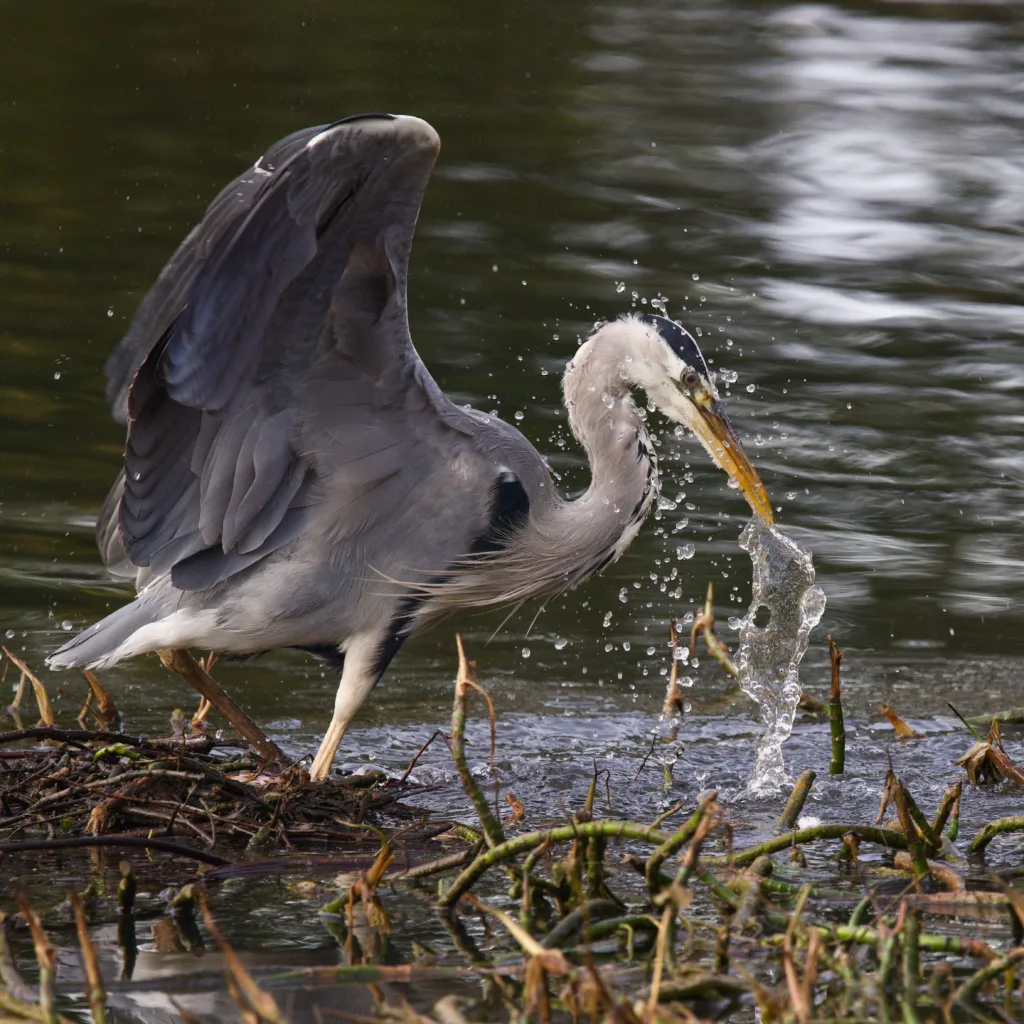
Take a moment to settle into a comfortable space. As you reflect on each question, allow yourself to fully appreciate the people, places, experiences, and feelings that come to mind.
As you write, remember that gratitude doesn’t have to be reserved for extraordinary moments. Often, it is found in the small details: a gentle breeze, the warmth of sunlight, the sound of birdsong, or the sight of a tree changing with the seasons. Taking time to notice these everyday gifts can help us feel more connected, grounded, and present.
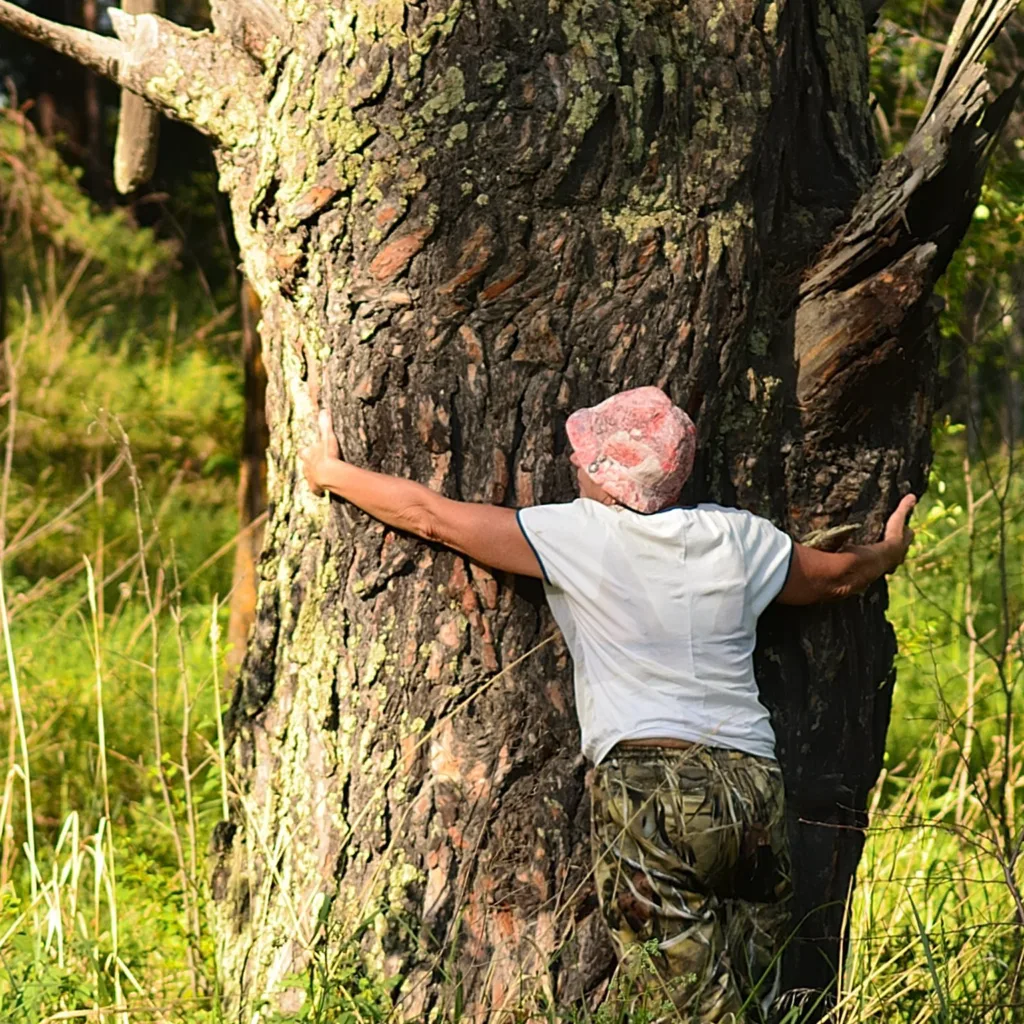
When we feel overwhelmed, stressed, or anxious, our minds often drift away from the present moment and become focused on worries, uncertainties, or things beyond our control. Grounding helps bring us back to the here and now. It can reduce feelings of disconnection, create a sense of safety, support emotional regulation, and give us the clarity and strength we need to take the next step.
Nature can be a powerful source of comfort, connection, and inspiration. The simple practice below invites you to use your senses and the natural world around you to reconnect with yourself and find your centre.
Take a moment to notice the ground beneath your feet, whether you are indoors or outdoors.
Take a deep breath in, and slowly breathe out.
Then, one breath at a time, gently bring your attention to the following:
5 – Natural things you can see.
4 – Sounds from nature you can hear.
3 – Natural things you can touch (your own body counts too).
2 – Natural scents or fragrances you can smell.
1 – Thing you can taste.
When you have finished, take another deep inhale and a long, slow exhale through your mouth.
Before returning to your tasks, gently move or stretch your body and notice how you feel in this moment.
Remember, grounding does not require a perfect setting or lots of time. Even a few mindful moments spent connecting with nature can help you feel calmer, more centred, and better able to navigate the rest of your day.