PRIVACY POLICY:
At Greenwich Peninsula Ecology Park we are committed to safeguarding and preserving the privacy of our visitors. This Privacy Policy explains what happens to any personal data that you provide to us, or that we collect from you whilst you visit our site.
We do update this Policy from time to time so please do review this Policy regularly.
INFORMATION WE COLLECT:
In running and maintaining our website we may collect and process the following data about you:
USE OF COOKIES:
Cookies provide information regarding the computer used by a visitor. We may use cookies where appropriate to gather information about your computer fin order to assist us in improving our website.
We may gather information about your general internet use by using the cookie. Where used, these cookies are downloaded to your computer and stored on the computer’s hard drive. Such information will not identify you personally. It is statistical data. This statistical data does not identify any personal details whatsoever.
You can adjust the settings on your computer to decline any cookies if you wish. This can easily be done by activating the reject cookies setting on your computer. Our advertisers may also use cookies, over which we have no control. Such cookies (if used) would be downloaded once you click on advertisements on our website.
USE OF YOUR INFORMATION:
We use the information that we collect from you to provide our services to you. In addition to this we may use the information for one or more of the following purposes:
Where your consent has been provided in advance we may allow selected third parties to use your data to enable them to provide you with information regarding unrelated goods and services which we believe may interest you. Where such consent has been provided it can be withdrawn by you at any time.
STORING YOUR PERSONAL INFORMATION:
In operating our website it may become necessary to transfer data that we collect from you to locations outside of the European Union for processing and storing. By providing your personal data to us, you agree to this transfer, storing or processing. We do our upmost to ensure that all reasonable steps are taken to make sure that your data is treated stored securely.
Unfortunately the sending of information via the internet is not totally secure and on occasion such information can be intercepted. We cannot guarantee the security of data that you choose to send us electronically, Sending such information is entirely at your own risk.
DISCLOSING YOUR INFORMATION:
We will not disclose your personal information to any other party other than in accordance with this Privacy Policy and in the circumstances detailed below:
THIRD PARTY LINKS:
On occasion we include links to third parties on this website. Where we provide a link it does not mean that we endorse or approve that site’s policy towards visitor privacy. You should review their privacy policy before sending them any personal data.
ACCESS TO INFORMATION:
In accordance with the Data Protection Act 1998 you have the right to access any information that we hold relating to you. Please note that we reserve the right to charge a fee of £10 to cover costs incurred by us in providing you with the information.
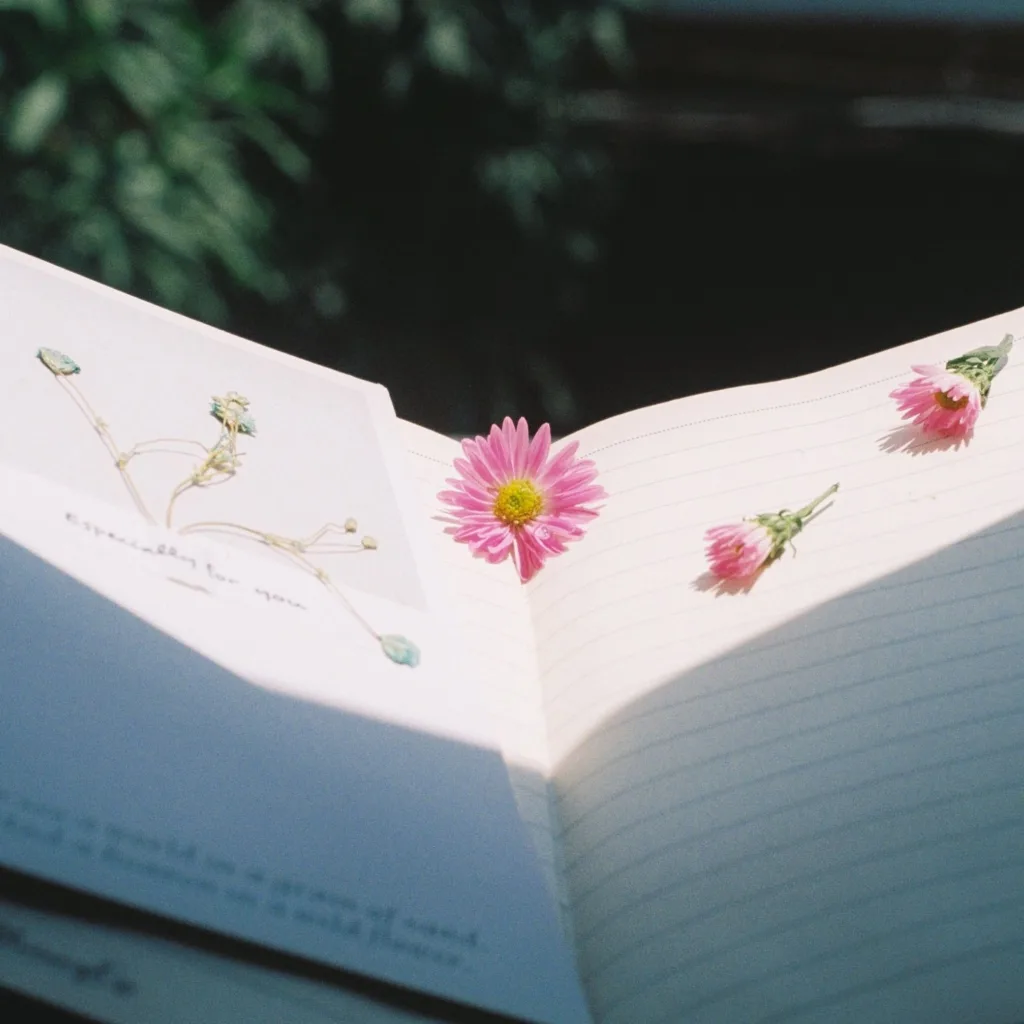
In a busy and often demanding world, it can be difficult to make sense of everything happening in our minds. Thoughts, worries, and emotions can feel overwhelming because we cannot see or touch them. Left unexamined, they may seem larger, more powerful, and more persistent than they really are.
Journaling offers a way to give shape to those thoughts. By putting words on paper, we create space between ourselves and what we are experiencing. Writing can help us organise our thoughts, process difficult emotions, gain perspective, identify what is within our control, and take meaningful steps towards the changes we would like to make.
Whether you turn to journaling during challenging times or moments of calm, the practice can support wellbeing by reducing stress, increasing self-awareness, encouraging personal growth, and unlocking creativity. It can also bring clarity, insight, and a deeper understanding of yourself.
We’ve put together ten nature-inspired journaling prompts to support reflection and self-discovery. Take your time with each one and allow your thoughts to flow freely. We encourage handwritten journaling where possible, as many people find it creates a deeper sense of connection and reflection.
Remember: spelling, grammar, and structure do not matter here. Journaling is a personal practice. No one else needs to read it, and you can even choose to destroy your writing afterwards. What matters is giving yourself permission to express whatever comes up.

As you explore these prompts, remember that self-reflection is not about finding the “right” answers. It is about listening to yourself with curiosity, compassion, and honesty. Like nature itself, growth often happens gradually, quietly, and in ways we do not immediately notice.
Practising gratitude is a simple yet powerful way to support our mental and emotional wellbeing. It helps shift our attention towards the positive aspects of our lives, reminding us of what is already present and valuable.
As humans, we are naturally wired to notice potential threats and challenges. This negativity bias helped our ancestors survive, but when our attention becomes fixed on problems without pause or balance, it can leave us feeling overwhelmed, depleted, and constantly on alert.
Gratitude offers an opportunity to step back, reflect, and refocus. By taking a few moments to recognise what we appreciate, we give our minds a chance to rest, recharge, and develop a healthier balance between life’s challenges and its joys.
Nature provides endless opportunities for gratitude. From the changing seasons and birdsong to peaceful green spaces and cherished outdoor memories, taking time to notice and appreciate these gifts can cultivate a deeper sense of wellbeing and connection.
Explore the prompts below and consider downloading our PDF version to support your journalling practice.
Take a moment to settle into a comfortable space. As you reflect on each question, allow yourself to fully appreciate the people, places, experiences, and feelings that come to mind.
As you write, remember that gratitude doesn’t have to be reserved for extraordinary moments. Often, it is found in the small details: a gentle breeze, the warmth of sunlight, the sound of birdsong, or the sight of a tree changing with the seasons. Taking time to notice these everyday gifts can help us feel more connected, grounded, and present.
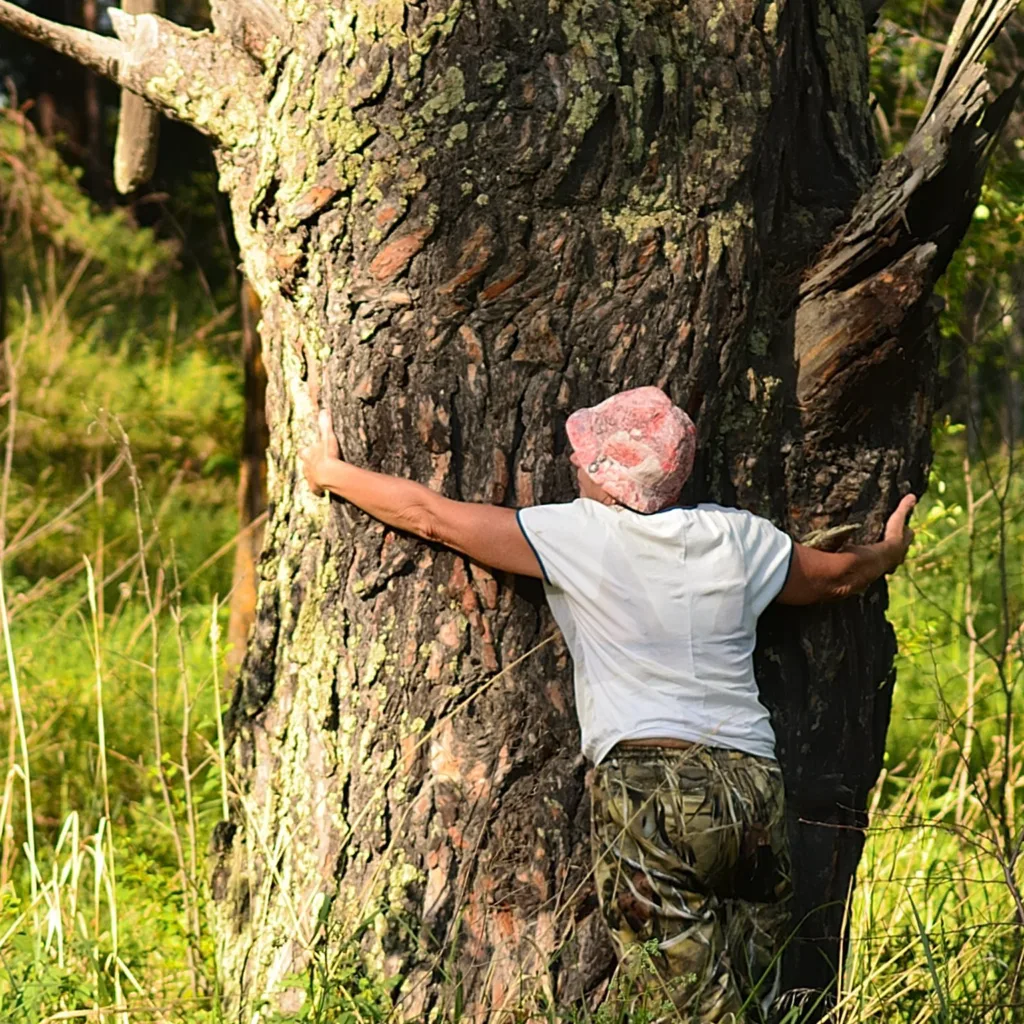
When we feel overwhelmed, stressed, or anxious, our minds often drift away from the present moment and become focused on worries, uncertainties, or things beyond our control. Grounding helps bring us back to the here and now. It can reduce feelings of disconnection, create a sense of safety, support emotional regulation, and give us the clarity and strength we need to take the next step.
Nature can be a powerful source of comfort, connection, and inspiration. The simple practice below invites you to use your senses and the natural world around you to reconnect with yourself and find your centre.
Take a moment to notice the ground beneath your feet, whether you are indoors or outdoors.
Take a deep breath in, and slowly breathe out.
Then, one breath at a time, gently bring your attention to the following:
5 – Natural things you can see.
4 – Sounds from nature you can hear.
3 – Natural things you can touch (your own body counts too).
2 – Natural scents or fragrances you can smell.
1 – Thing you can taste.
When you have finished, take another deep inhale and a long, slow exhale through your mouth.
Before returning to your tasks, gently move or stretch your body and notice how you feel in this moment.
Remember, grounding does not require a perfect setting or lots of time. Even a few mindful moments spent connecting with nature can help you feel calmer, more centred, and better able to navigate the rest of your day.