The early history of the area is vague, early communities would have lived on the densely forested flood plains of the Thames. The peninsula as we know it would not yet be in existence. The extensive felling of trees on the peninsula in the Bronze Age showed a definite human presence.
Image: Faith Vardy, MOLA
With the arrival of the Anglo Saxons came the name Grenewic meaning Green Bay, a name that would stay with the area. Due to the issues of drainage and flooding on the peninsula, the land was generally used for farmland, wetland and pasture. There is mention of a river wall being placed in the area to cope with the powerful tides of the Thames.
Image: The Londonist
There is record of a commission in 1315 setting the task of maintaining the Thames river wall. This led to the Court of sewers foundation in 1625; a group of local people dedicated to managing the river wall, who did so for 200 years. The area was so sparsely populated that is was known as marshland and agricultural fields and was referred to as Greenwich Marsh or East Greenwich. A millpond lay where Greenwich Peninsula Ecology Park now is situated.
Image: J. M. W. Turner
Although Greenwich is without a doubt part of London, until 1889 Greenwich was classified as part of Kent, the agricultural South East. This agricultural existence was maintained, with a few, unwelcome attempts at industrialisation moving onto the Peninsula. One of these was the a royal gunpowder magazine, quickly removed due to local protest. Greenwich Peninsula also had a sinister past, with Bugsbys Hole on the west side of the Peninsula being a site for the gibbeting of pirates. Pirate Williams was gibbeted here in 1735, and was a popular attraction for the locals for the cost of one penny.
From the late 1880’s industrialization of the Peninsula was instigated with the introduction of gas and chemical works. In particular The South Metropolitan Gas Company’s East Greenwich gas works became the largest in Europe, dominating the peninsula for some time. The Peninsula was targeted for development due to it’s proximity to the Thames. Barges could be used for transport attracting telegraph cable factories, notably the attempts to construct Great Atlantic cables.
The Blackwall Tunnel, built in 1897, destroyed much of the remaining field and marsh. The area where the park now stands was built up from the excavated material from the tunnel building. The building of the tunnel caused a notable difference in population density, it was then recognized by contemporaries that unpleasant crowding and pollution now affected the peninsula.
In 1900 structural engineers Redpath Brown and Co.Ltd, which would later become part of British Steel, had a large site on the peninsula. This was used as a steel dockyard from the 1920’s onwards. A new shed was built in the 1960s for the automated sawing and drilling of steel. From the 1970s onwards there was a decline in the gasworks (due to the discovery of north sea gas) and the steel site closed. British Steel were still making steel rods in the area in 1970s but by the 1980s the area was becoming derelict.
Later in 1997, English Partnerships, which was the government’s national regeneration agency, bought over 121 hectares of land on Greenwich Peninsula. Their aim was to build a community rather than just housing. Innovative schemes were put in place, designed to establish a high level of biodiversity with a rich variety of ecosystems. This was a UK government flagship project – aimed to inspire other developers and to encourage local residents to explore the outside, walking and cycling.
Also incorporated into the regeneration plan was Greenwich Peninsula Ecology Park, a primarily freshwater habitat which would compliment the semi-saline habitats of the tidal River Thames. It’s creation was partly to mitigate for the loss of reedbed and scrub that had developed on the derelict land, which was unique due to it being located within the housing devolpments. The work done in the Millennium village including the Park has been studied by architects and government officials from Germany, Japan, South Korea, Brazil, Norway, Sweden, Vietnam, Ireland and France as an example of sustainable development.
To redevelop the area, EP had to deal with the contaminated land – particularly around the areas of Gas, tar and chemical works. These areas were contaminated with coal tars, heavy metals, cyanides and sulphur compounds. Remediation works included the removal of tanks, a tar well, an effluent pond, and whole ground layers in areas where it was particularly bad. The contaminants are confined under the spoil, lots of textile, and clay, from the digging of the Jubilee line. This reduces the possibility of contaminants from reaching the surface, and thus allowed the development to go ahead.
One of the schemes was the restoration of certain parts of the river bank, the area that had sheet piling was replaced with Salt Marsh terraces and Reed Beds, this transformed the riverside from having no shoreline and devoid of invertebrate life to a haven for wildlife. This natural barrier also meant that it acted as an effective flood defence.
The park was completed by early 2000, around the same time as The O2 (formerly the Dome) but was not opened to the public until February 2002. The Trust for Urban Ecology (now The Conservation Volunteers) successfully won the bid to manage the park. Their role was to open the park to the public, manage the habitats, publicise the park, and organise events and school visits.
Here are a few works that might be useful for the history of the Peninsula:
Mills, Mary, Greenwich Marsh – The 300 years before the Dome, M. Wright, London 1999.
Bartlett in “The River and the Marsh at East Greenwich. The History and Development” (Trans. Greenwich & Lewisham Antiquarian Soc. Vol 7, No.2. 1964-5 pp 68-85)
Another website where you can find out more about Greenwich Peninsula’s History:
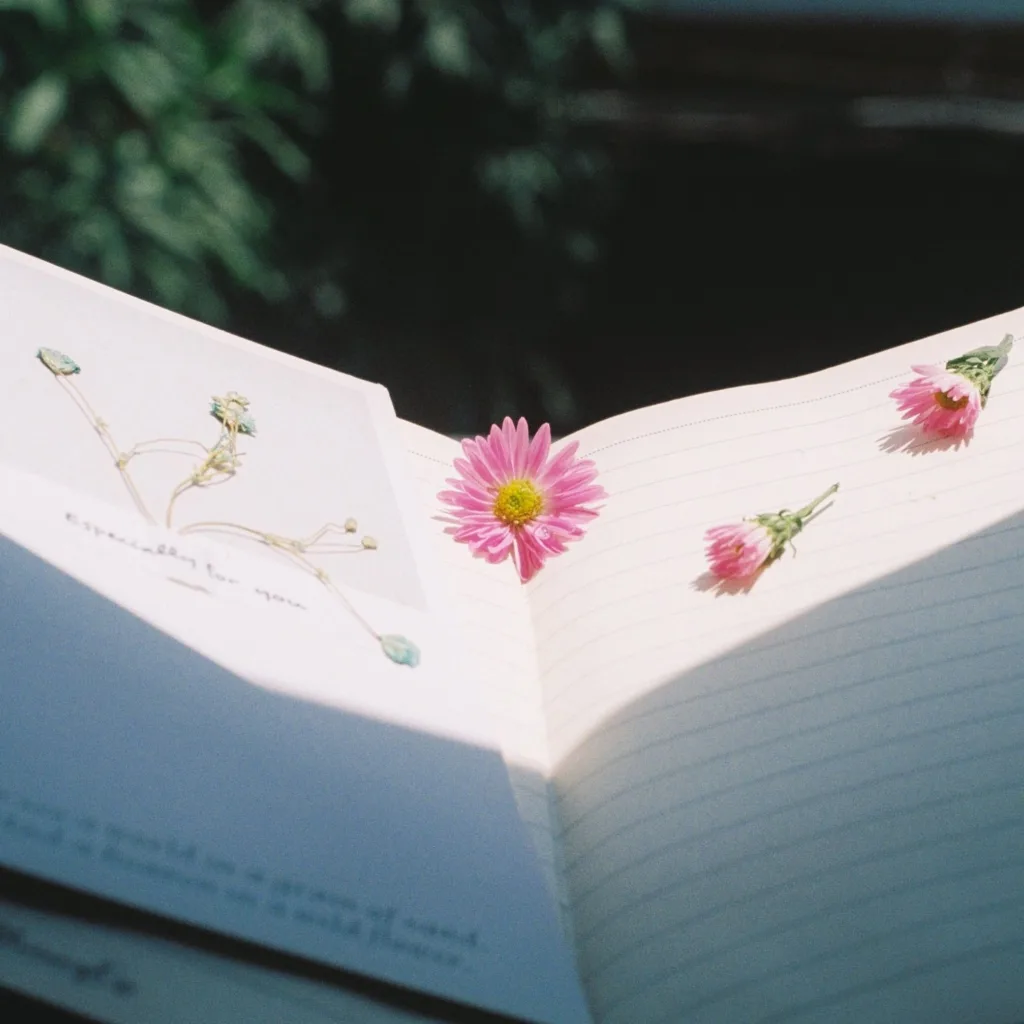
In a busy and often demanding world, it can be difficult to make sense of everything happening in our minds. Thoughts, worries, and emotions can feel overwhelming because we cannot see or touch them. Left unexamined, they may seem larger, more powerful, and more persistent than they really are.
Journaling offers a way to give shape to those thoughts. By putting words on paper, we create space between ourselves and what we are experiencing. Writing can help us organise our thoughts, process difficult emotions, gain perspective, identify what is within our control, and take meaningful steps towards the changes we would like to make.
Whether you turn to journaling during challenging times or moments of calm, the practice can support wellbeing by reducing stress, increasing self-awareness, encouraging personal growth, and unlocking creativity. It can also bring clarity, insight, and a deeper understanding of yourself.
We’ve put together ten nature-inspired journaling prompts to support reflection and self-discovery. Take your time with each one and allow your thoughts to flow freely. We encourage handwritten journaling where possible, as many people find it creates a deeper sense of connection and reflection.
Remember: spelling, grammar, and structure do not matter here. Journaling is a personal practice. No one else needs to read it, and you can even choose to destroy your writing afterwards. What matters is giving yourself permission to express whatever comes up.
As you explore these prompts, remember that self-reflection is not about finding the “right” answers. It is about listening to yourself with curiosity, compassion, and honesty. Like nature itself, growth often happens gradually, quietly, and in ways we do not immediately notice.
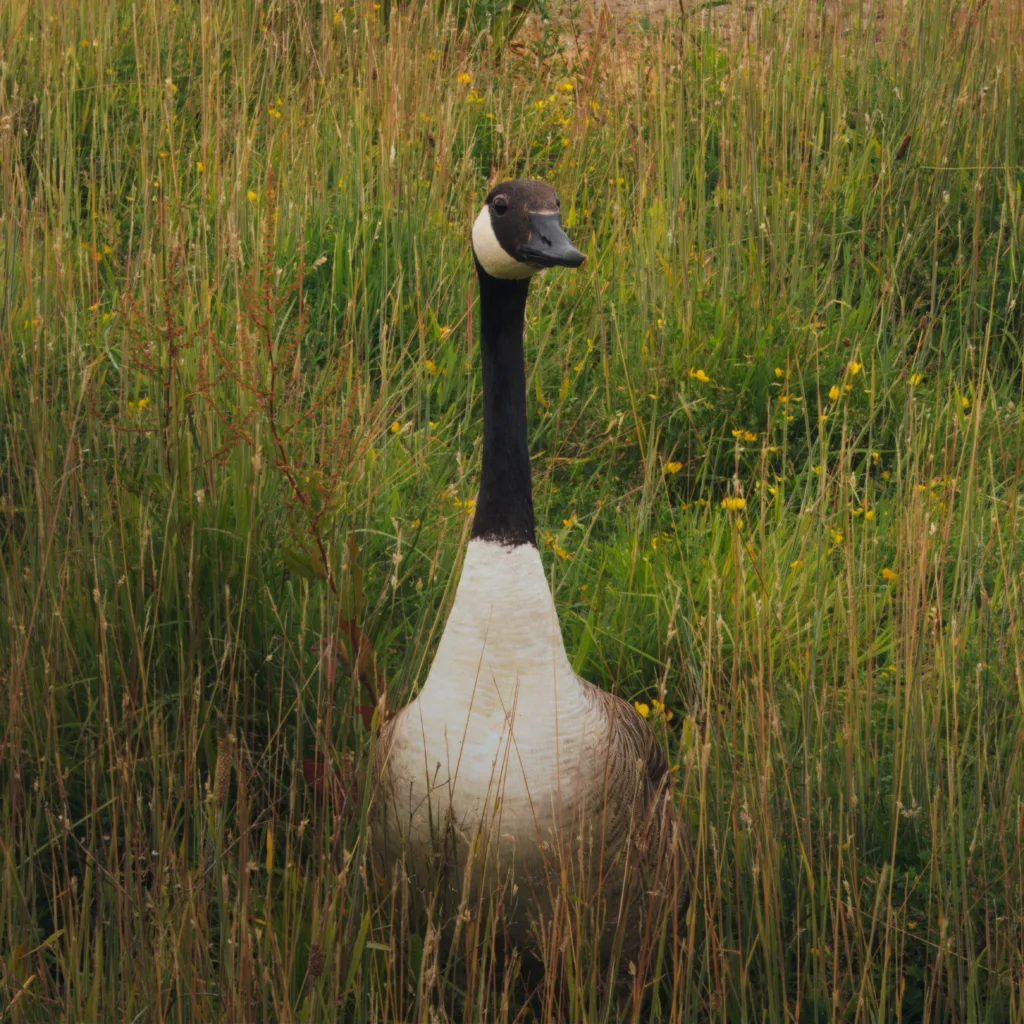
Practising gratitude is a simple yet powerful way to support our mental and emotional wellbeing. It helps shift our attention towards the positive aspects of our lives, reminding us of what is already present and valuable.
As humans, we are naturally wired to notice potential threats and challenges. This negativity bias helped our ancestors survive, but when our attention becomes fixed on problems without pause or balance, it can leave us feeling overwhelmed, depleted, and constantly on alert.
Gratitude offers an opportunity to step back, reflect, and refocus. By taking a few moments to recognise what we appreciate, we give our minds a chance to rest, recharge, and develop a healthier balance between life’s challenges and its joys.
Nature provides endless opportunities for gratitude. From the changing seasons and birdsong to peaceful green spaces and cherished outdoor memories, taking time to notice and appreciate these gifts can cultivate a deeper sense of wellbeing and connection.
Explore the prompts below and consider downloading our PDF version to support your journalling practice.
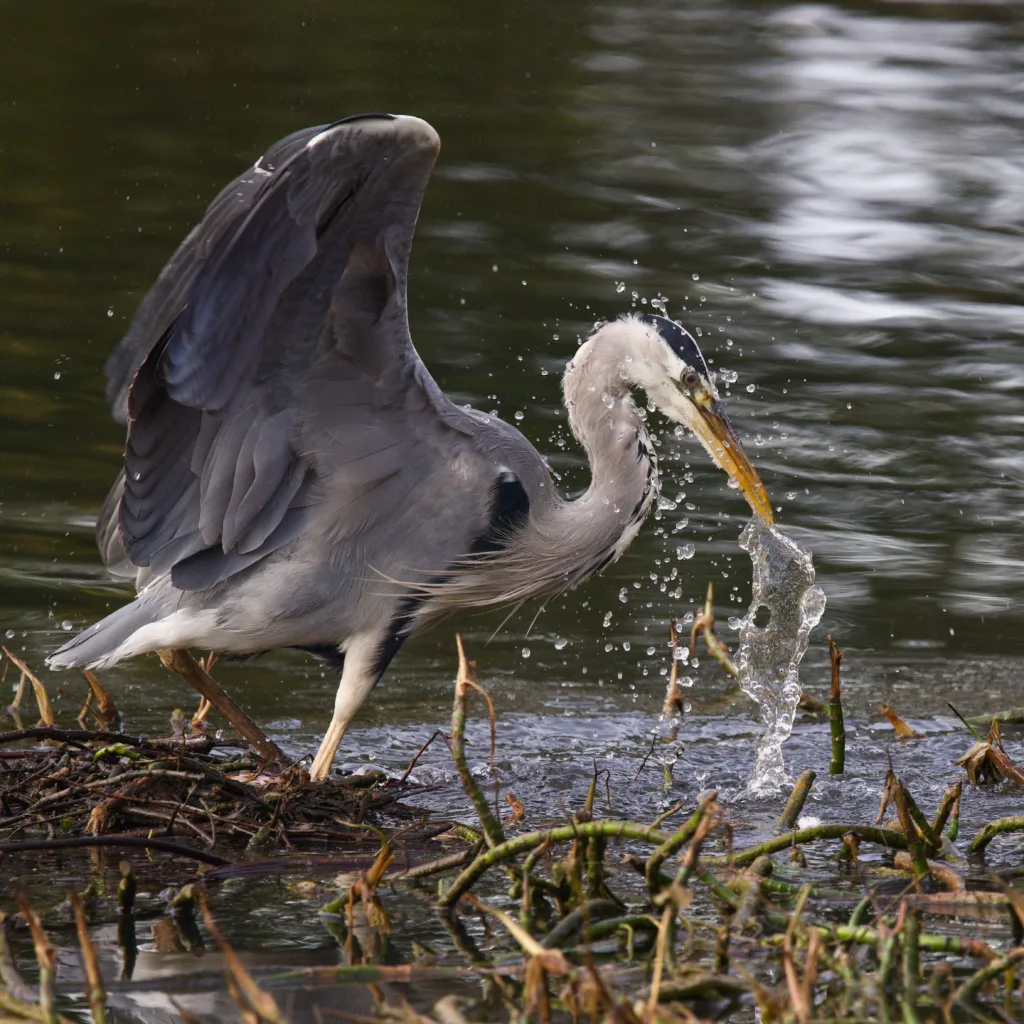
Take a moment to settle into a comfortable space. As you reflect on each question, allow yourself to fully appreciate the people, places, experiences, and feelings that come to mind.
As you write, remember that gratitude doesn’t have to be reserved for extraordinary moments. Often, it is found in the small details: a gentle breeze, the warmth of sunlight, the sound of birdsong, or the sight of a tree changing with the seasons. Taking time to notice these everyday gifts can help us feel more connected, grounded, and present.
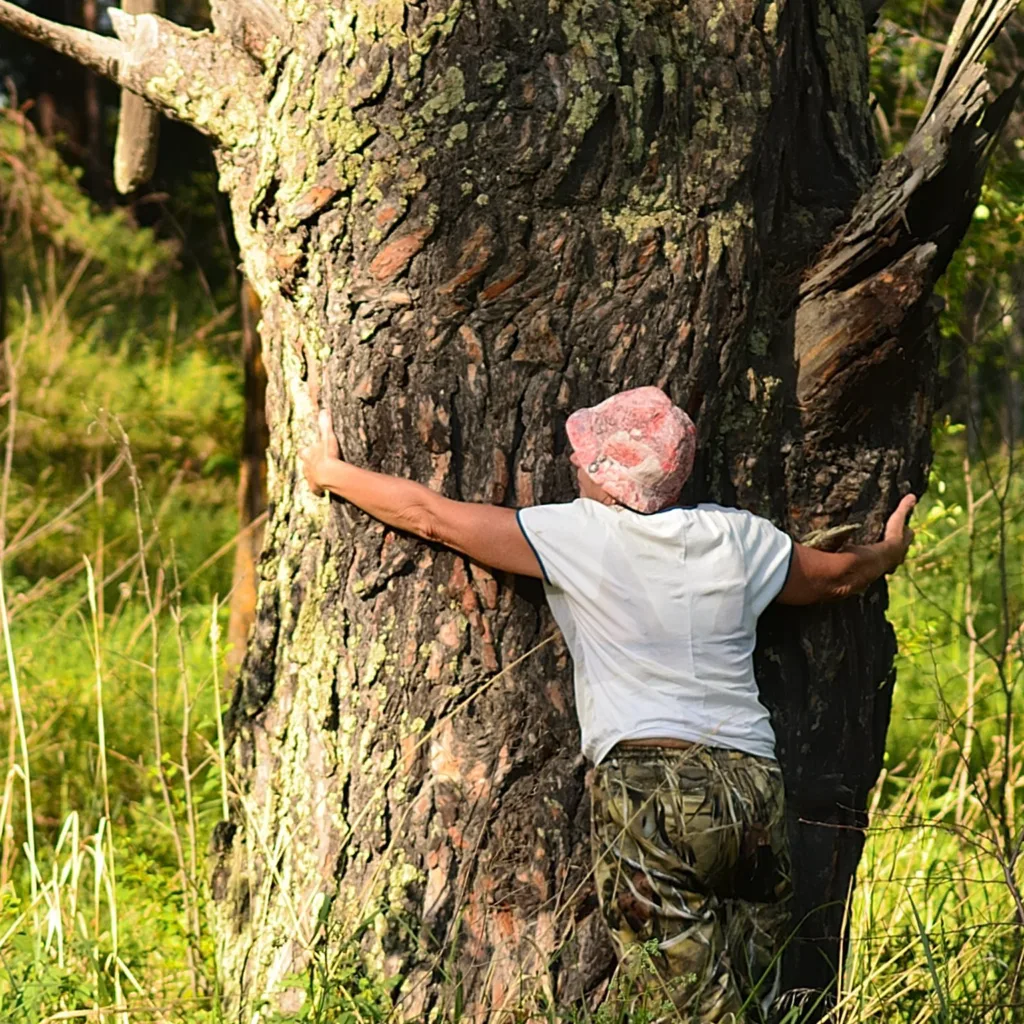
When we feel overwhelmed, stressed, or anxious, our minds often drift away from the present moment and become focused on worries, uncertainties, or things beyond our control. Grounding helps bring us back to the here and now. It can reduce feelings of disconnection, create a sense of safety, support emotional regulation, and give us the clarity and strength we need to take the next step.
Nature can be a powerful source of comfort, connection, and inspiration. The simple practice below invites you to use your senses and the natural world around you to reconnect with yourself and find your centre.
Take a moment to notice the ground beneath your feet, whether you are indoors or outdoors.
Take a deep breath in, and slowly breathe out.
Then, one breath at a time, gently bring your attention to the following:
5 – Natural things you can see.
4 – Sounds from nature you can hear.
3 – Natural things you can touch (your own body counts too).
2 – Natural scents or fragrances you can smell.
1 – Thing you can taste.
When you have finished, take another deep inhale and a long, slow exhale through your mouth.
Before returning to your tasks, gently move or stretch your body and notice how you feel in this moment.
Remember, grounding does not require a perfect setting or lots of time. Even a few mindful moments spent connecting with nature can help you feel calmer, more centred, and better able to navigate the rest of your day.